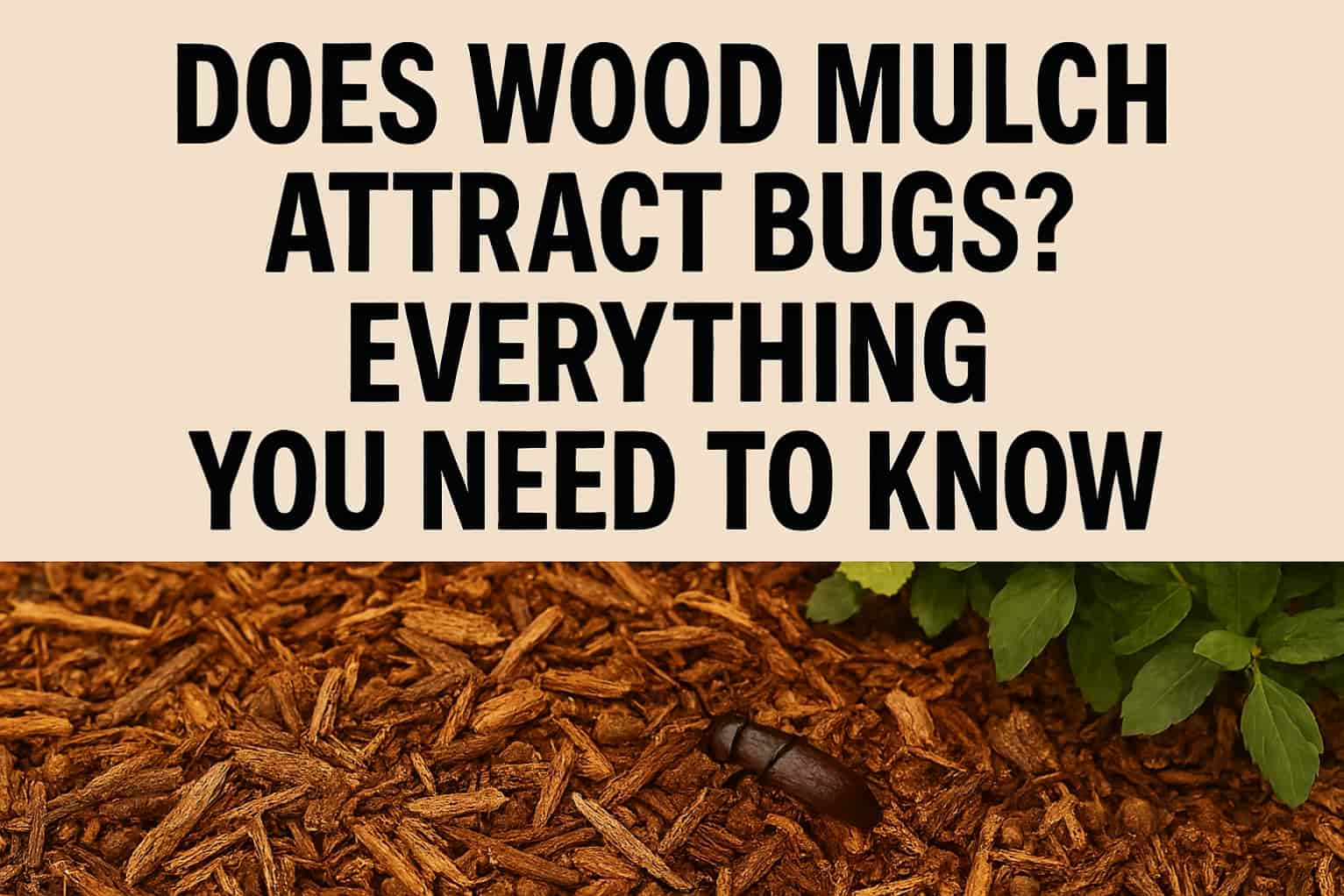
For most, when it’s time to take their landscaping journey to the next level, a familiar worry often sets in: the fear of attracting bugs.
While wood mulch is widely praised for improving soil health and enhancing the overall appearance of a garden, many people hesitate to use it because they worry it might create a safe haven for insects and pests.
The truth is that wood mulch can attract bugs, but not in the alarming way many people imagine.
The type of insects attracted, the condition of the mulch, and how it is applied all play a major role.
In many cases, the insects found in wood mulch are harmless or even beneficial, and they rarely pose a threat to healthy plants.
Why Bugs Are Attracted to Wood Mulch
Bugs are not attracted to wood mulch simply because it is wood. They are drawn to the conditions mulch creates.
Wood mulch helps stabilize soil temperature, retain moisture, suppress weeds, and protect soil structure.
These same conditions that benefit plants also create a favorable environment for certain insects that thrive in cool, moist, and stable surroundings.
Some of the well-known benefits of wood mulch include:
- Helping regulate soil temperature, protecting plant roots from heat and cold stress
- Reducing soil erosion and surface runoff by shielding the soil from wind and heavy rainfall
- Suppressing weed growth by blocking sunlight and limiting weed seed germination
Because mulch improves the soil environment, insects naturally move in to take advantage of the improved conditions. However, this does not automatically mean damage to your plants.
Also Read:- How Many Bags of Mulch are in a Cubic Yard?
The Types of Bugs You’re Most Likely to See
Many of the insects commonly found in mulch are actually beneficial. Earthworms, millipedes, and various beetles help break down organic material, turning wood chips into nutrients plants can use.
Predators such as ground beetles and spiders help control other insect populations, keeping the garden ecosystem balanced.
Some insects, like sowbugs and pillbugs, are harmless scavengers. They prefer feeding on decaying material and rarely damage healthy plants. Although they may be numerous, their presence is usually a sign of healthy, active soil.
The insects gardeners worry about most—termites, carpenter ants, and cockroaches—are generally only an issue when mulch is misused.
Piling mulch directly against a home’s foundation or wooden structures can create a pathway for pests.
When mulch is kept several inches away from buildings and applied at the proper depth, the risk is greatly reduced.
What Research Says About Wood Mulch and Pests
According to research conducted by horticulturist Linda Chalker-Scott, wood-based mulches are not inherently attractive to destructive pests such as termites or carpenter ants.
Her studies show that many woody mulches are either neutral or even repellent to certain insects, depending on the tree species used.
Chalker-Scott also explains that termites and similar pests tend to prefer high-nutrient materials like cardboard and decaying wood structures, rather than coarse wood chips commonly used in landscaping.
In fact, some mulches, such as cedar-based wood chips, naturally contain compounds that repel termites, ants, and other household pests.
She also notes that while a very thin zone of increased microbial activity may exist at the mulch–soil interface, this does not harm established plants.
Instead, it can help suppress weed seed germination while leaving deeper plant roots unaffected.
In most cases, the insects are decomposers that contribute to breaking down organic material and improving soil health, rather than harming plants.
Does This Mean You Should Avoid Wood Mulch?
Absolutely not. The benefits of wood mulch far outweigh the potential risks when it is used correctly.
Mulch conserves water, regulates soil temperature, suppresses weeds, and improves soil structure over time.
Avoiding mulch altogether means giving up these important advantages over a problem that is largely preventable.
Also Read:- Is Rubber Mulch Better Than Wood Mulch?
How to Use Wood Mulch Without Inviting Problems
To enjoy the benefits of mulch without attracting unwanted pests, apply it thoughtfully.
Keep mulch at least 6 to 12 inches away from your home’s foundation and any wooden structures.
Avoid piling it too deeply; a layer of 2 to 4 inches is usually sufficient for most garden beds.
Choosing the right mulch can also help. Cedar and cypress mulches contain natural oils that repel certain insects, while hardwood mulches break down more slowly and require less frequent replacement.
Maintaining good drainage and keeping mulched areas tidy further reduces the chance of pest issues.
Final Thoughts
Wood mulch does create an environment where bugs can thrive, but most of these insects are either beneficial or harmless.
The pests people fear most become a concern only when mulch is applied incorrectly, particularly when it is piled against structures or kept excessively wet.
When used properly, wood mulch supports a healthier garden ecosystem, improves soil conditions, and protects plant roots.
With smart application and basic maintenance, you can enjoy all the benefits of wood mulch without worrying about attracting the wrong kind of bugs.